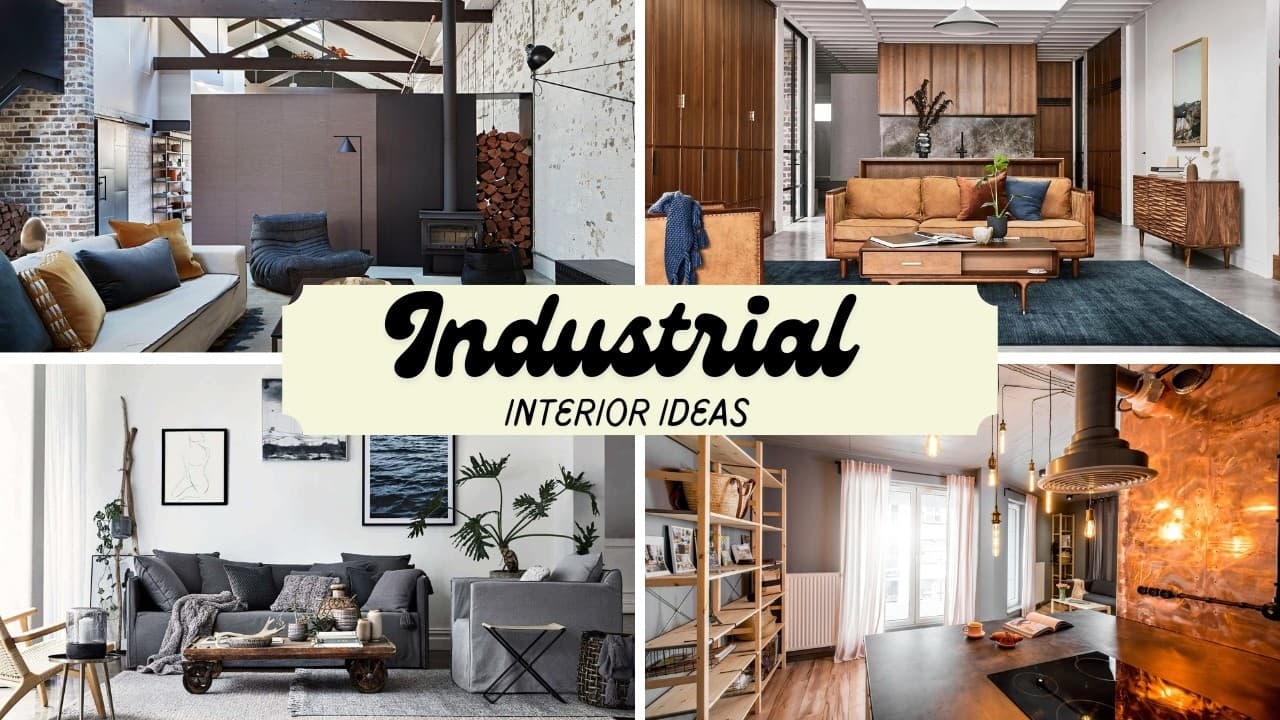
Your living room sits half-finished, neutral walls staring back at you, and every Pinterest board you scroll feels too polished, too safe. The furniture is fine, but the space has no edge, no story, no grit.
That tension is exactly what industrial interior decor ideas are built to fix. By layering raw materials, salvaged finishes, and utilitarian forms, you can turn a flat room into one that feels like it has always belonged to you.
Key Takeaways
- Pair exposed ductwork or concrete ceilings with warm-toned Edison bulbs to prevent the space from reading as cold or sterile.
- Use reclaimed wood shelving against brick or bare plaster walls to add organic warmth that balances heavy metal accents.
- Stick to a three-material rule per room: one metal finish, one rough texture, and one natural material to keep the look cohesive rather than chaotic.
- Vintage factory pendants and wire-cage sconces deliver industrial character without requiring a full renovation.
- Ground an open-plan industrial space with a large jute or hide rug to define zones and absorb echo from hard surfaces.
Full Video Transcript
What if your home could tell the story of raw materials, functional beauty, and architectural strength without ever feeling cold or unfinished? Have you ever been drawn to those edgy loft style interiors with exposed brick, black steel, and reclaimed wood that somehow feel effortlessly stylish? That's the power of industrial interior decor. In today's video, we're diving deep into industrial decor ideas that blend grit with refinement and turn your space into a bold statement of urban sophistication. [Music]
Heat. Heat. [Music] Before we dive into today's video, I'd like to welcome you to Decorpedia, your go-to source for home decor inspiration. We bring you creative ideas to transform your space with style and ease, helping you elevate every corner of your home effortlessly. If you're new here, don't forget to hit that subscribe button and turn on the bell icon so you never miss out on our latest decor inspirations. Now, let's get started. [Music] Doo doo doo
doo. [Music] What is industrial interior design and where did it originate? Industrial design is inspired by old factories and warehouses turned into living spaces. Think exposed structures, open layouts, and raw finishes. It celebrates utilitarian materials like metal, concrete, and wood, often leaving them intentionally visible. It creates a look that's masculine yet refined, functional yet stylish. Perfect for urban spaces or creative conversions. It's rooted in history, but updated for modern living with smart layouts and sleek finishes.
If you're drawn to bold, nononsense design with character. Like this video and share it with someone who loves loft aesthetics. [Music] What colors define an industrial interior? Industrial color palettes are neutral, earthy, and grounded. Built on shades of steel, stone, and smoke. Start with base tones like charcoal, black, concrete gray, and crisp white to set the foundation. Add warmth with tan leather, warm woods, rust tones, or aged brass to avoid feeling too cold. Use matte finishes
and avoid overly bright or glossy colors. Subtlety is key in this look. What's your favorite industrial color combo? Drop it in the comments. We'd love to see your vision. Heat. Heat. [Music] What materials are essential for creating an industrial vibe? Materials are everything in industrial design. They set the tone for the entire aesthetic. Use exposed brick, concrete walls, and unfinished wood as architectural or design features. Metal is a must. steel, iron, or black aluminum used in
light fixtures, table legs, and shelving. Mix in reclaimed elements like vintage pipes, pallets, or barn doors for authenticity and contrast. Want more material pairing tips? Check out the playlist linked in the description. [Music] [Music] How can lighting be used to enhance an industrial interior? Lighting isn't just functional in industrial decor. It's a defining feature that adds drama and style. Use pendant lights with exposed bulbs, wire cages, or large dome shades and metal finishes. Add floor lamps
with pivot arms or clamp lights inspired by workspaces and warehouses. Layer and wall sconces and track lighting to highlight architectural features like brick or beams. All the lighting featured in this video is listed in the description for your reference. [Music] What type of furniture works best in industrial spaces? Industrial furniture is rugged, minimalist, and often looks repurposed or salvaged. Opt for leather sofas, wooden coffee tables with metal frames, and bar stools with an old school feel.
Choose open shelving, metal lockers, or pipe style storage units for function that doubles as design. Keep lines clean and purposeful. Avoid overly ornate or delicate pieces. Subscribe if you want more layout and furniture design tips for an industrial look. [Music] [Music] back. Down. What wall treatments and textures work best in industrial design? Walls in industrial spaces are often left bare, but when decorated, they emphasize raw textural depth. Leave brick exposed or use faux brick panels to
create that factory feel. Add steel wall panels, reclaimed wood planks, or concrete finishes to mix up the materiality. Use oversized art in monochrome or abstract styles that reflect the architectural mood of the space. Want more wall ideas? Explore the videos linked in the description for more inspiration. [Music] Daddy, hey. [Music] What accessories complement an industrial interior without cluttering it? Accessories in industrial spaces are minimal, but each piece should make a statement. Use vintage clocks, industrial fans,
wire baskets, or factory signs for functional nostalgia. Decorate with books, concrete planters, metal candle holders, and rough textured ceramics. Layer with throw pillows in leather or canvas, and keep decorative elements simple and tonal. Everything featured today is linked in the description so you can shop the look effortlessly. [Music] How can you add softness to balance the toughness of industrial decor? Industrial doesn't mean uncomfortable. You can soften the edges with thoughtful layering. Use warm lighting and plush
area rugs with geometric or vintage patterns. Add textile elements like heavy cotton curtains, leather cushions, or distressed textiles for warmth. Incorporate wood accents, tables, flooring, or beams to create organic contrast to steel and stone. See the exact styling from this video in the product links listed below. [Music] How do open layouts and space planning enhance industrial style? Open plans mimic the warehouse origins of industrial design. Wide, airy, and uncluttered. Use furniture and rugs to define zones
rather than walls or dividers. Expose ceilings, beams, and duct work whenever possible to maintain that lofty feel. Let the architecture guide your layout and avoid overfilling the space with furniture. For more industrial layout ideas, check the playlist in the description. [Music] How do How do you personalize an industrial space without losing its edge? Your industrial space should feel like you, not just a catalog layout. Add personal items that fit the theme. Framed black and white photography,
travel finds, or vintage collections. Use color sparingly through art or accent furniture to show personality without disrupting the aesthetic. Blend in touches of green with lowmaintenance plants in industrial pots or wall-mounted planters. Everything featured today is listed in the description to help you create a space that's uniquely [Music] yours. So, if you've been wondering how to take that raw urban style and turn it into a livable, stylish interior, now you have the blueprint. Industrial decor isn't
about looking unfinished. It's about showcasing materials, celebrating function, and creating a space that's as confident as it is comfortable. With the right balance of metal, wood, structure, and soul, you can transform any room into a bold modern classic. [Music]