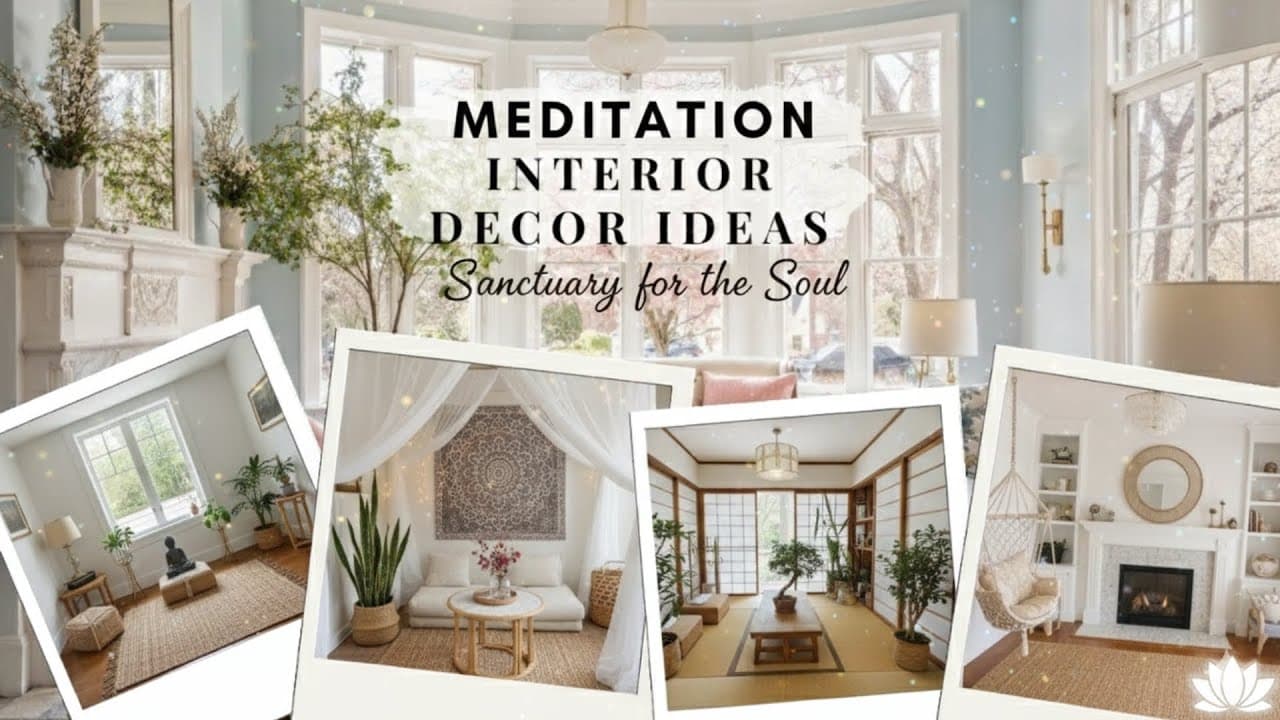
You glance at the cluttered spare room down the hall and imagine it differently: soft natural light, a floor cushion, and nothing demanding your attention. That vision is closer than you think, and the design choices that get you there are surprisingly simple.
Whether you have a full room or just a quiet corner, these peaceful meditation room ideas show you how to layer texture, light, and intentional simplicity to build a space that genuinely invites you to slow down.
Key Takeaways
- Layer a jute rug over cork flooring to add acoustic softness that reduces echo and signals a sensory boundary for your practice area.
- Position your cushion or mat perpendicular to the window so natural light falls to your side, avoiding glare while still brightening the space.
- Limit your color palette to two to three muted earth tones; visual noise from competing colors raises baseline stress levels in small rooms.
- Use a single trailing plant like pothos or heartleaf philodendron instead of a collection to add life without creating a maintenance task.
- Store all devices and chargers in a closed basket inside the room so the ritual of putting them away becomes the mental transition into your practice.
Full Video Transcript
Need a break from the world? Right in your home? A meditation room isn't just a trend. It's a tool for peace. But what makes a room truly meditative? From scent to layout, here are 12 calm creating ideas to help you design a space that soothes your senses and centers your soul. Before we dive into today's video, I'd like to welcome you to Decoredia, your go-to source for home decor inspiration. We bring you creative ideas to transform
your space with style and ease, helping you elevate every corner of your home effortlessly. If you're new here, don't forget to hit that subscribe button and turn on the bell icon so you never miss out on our latest decor inspirations. Now, let's get started. Heat. Heat. N. I feel love. Which colors bring in calm? Opt for earthy tones like beige, sage, muted gray, or soft mauve. These reduce visual noise and promote inner peace. Stay away from
neons or patterns that stimulate the senses. Keep walls soothing and intentional. Soft colors allow your thoughts to quiet more easily. Feeling these tones? Give it a like. Heat. Heat. Where should I create my meditation space? Choose a quiet corner or unused nook with minimal foot traffic. Natural light is a bonus, but privacy is more important. It doesn't need to be big, just still. Even a closet or window seat can become a sanctuary with the right setup.
The feeling it gives matters more than square footage. Like calm corners. Tap like now. What furniture works here? Stick to essentials. A meditation cushion, floor mat, or small bench. Maybe a shelf for incense or crystals. Choose wood, linen, or stone finishes. Too much furniture steals stillness. Choose pieces that support your body and your mindset. Enjoying this look? Give it a like. What flooring works best? Go for cork, bamboo, or a soft area rug. These create warmth
and cushion without clutter. Your body should feel supported while seated or lying down. Avoid cold tiles or loud flooring that breaks the vibe. A grounded floor helps keep your energy rooted during reflection. Planning floors like this idea. What belongs on the walls? Choose one or two meaningful pieces. A nature photo, mantra, or symbol. Mirrors can expand the space, but shouldn't distract. Blank space is just as powerful. It gives your mind room to rest. Visual simplicity creates
space for inner clarity to grow. Inspired by simplicity? Hit like. What about sound. Play soft chimes, ambient music, or even silence. No lyrics, just tones that fade into the background. A Bluetooth speaker with low volume helps set the rhythm of stillness. Let the sound support your breath, not distract from it. Vibe with this sound? Hit like Should I include plants? Yes, plants add breath and life. Use snake plants, aloe, or pot hose for lowmaintenance calm. Greenery
grounds the space and reminds you to pause and connect. Keep it simple. No jungle needed. One plant can shift the energy of an entire room. Green vibes only. Like to agree. How should I light the space? Use lamps with warm bulbs, string lights, or candles. Natural light is best during the day, but avoid harsh overheads. The goal is gentle ambiance. Lighting should invite you inward, not wake your senses. A warm glow can signal to your body
that it's time to unwind. Love a glow up? Tap like if you agree. How do I store my items? Use woven baskets, small drawers, or hidden boxes. Keep mats, journals, or oils out of sight when not in use. Clean visuals equal clean energy. Clutter clouds presence. Organized space gives the mind permission to relax and let go. Loving meat spaces? Tap like How can scent shape the mood? Light incense or diffuse essential oils like sandalwood or lavender.
Use scent to mark the start of stillness. A subtle aroma can cue the body to settle and breathe more deeply. Let your breath follow the scent and sink into the moment. Smell that peace like this tip. How can I make it feel personal? Add an object that calms you. A stone, journal, or spiritual token. Maybe a photo, mantra card, or candle holder. This is your sacred space. Let it whisper your story. When the room holds your
meaning, it holds your attention. Make it yours. Like this idea. Can it be a flexible space? Yes. Use a rug or floor mat to define it temporarily in a bedroom or shared room. Keep a basket nearby with everything you need. It's about ritual, not real estate. A flexible space still builds consistent habits over time. No spare room? like this solution. Your meditation space doesn't need to be fancy. It needs to feel like peace. With simple choices
in color, texture, and intention, any space can support reflection and renewal. Start where you are. The calm you crave is just one breath and one corner away.