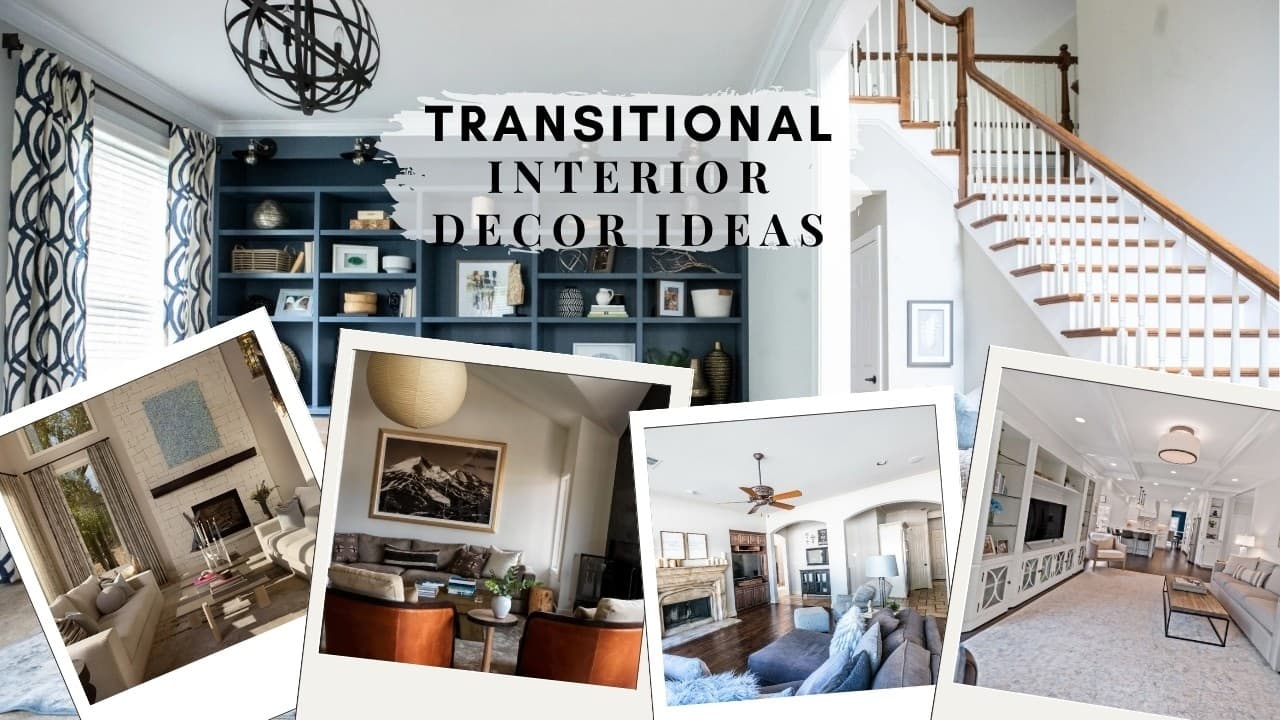
Your living room sits somewhere between too formal and too casual, caught between a traditional sofa you love and modern light fixtures you recently added. That in-between feeling is not a design mistake. It is exactly where transitional style lives.
Transitional interior decor ideas give you a framework to mix warm wood tones, neutral palettes, and clean-lined furniture without the room feeling pulled in two directions. The result is a cohesive space that feels both timeless and refreshingly current.
Key Takeaways
- Anchor transitional rooms with a neutral base of warm whites, greiges, or soft taupes, then layer in one or two muted accent colors to avoid a flat look.
- Mix furniture silhouettes deliberately: pair a rolled-arm sofa with a straight-lined coffee table to create intentional contrast rather than accidental clutter.
- Choose hardware and fixtures in brushed nickel or unlacquered brass, as these finishes bridge traditional ornate and modern minimal without committing to either.
- Use texture over pattern to add visual interest: think chunky linen, woven wool throws, and ribbed ceramics rather than bold prints that date quickly.
- Ground an open-plan transitional space with a single large area rug that unifies seating zones while keeping sightlines clean and uncluttered.
Full Video Transcript
What if your home could balance classic elegance with modern freshness without ever feeling stuck in one style? Have you ever looked at a space and thought, "I love the timeless structure, but I also want a little edge." That's exactly where transitional interior design shines. It blends the best of both worlds, traditional warmth and modern simplicity, into one harmonious, flexible style. In today's video, we're diving into transitional decor ideas that give your home depth, sophistication, and a
look that stands the test of time. Before we dive into today's video, I'd like to welcome you to Decoredia, your go-to source for home decor inspiration. We bring you creative ideas to transform your space with style and ease, helping you elevate every corner of your home effortlessly. If you're new here, don't forget to hit that subscribe button and turn on the bell icon so you never miss out on our latest decor inspirations. Now, let's get started.
What is transitional interior design and what makes makes it unique. Transitional design is the perfect fusion of traditional and contemporary styles, offering the structure of the past with the clean lines of today. It emphasizes balance where ornate details are softened with simplicity and comfort meets refinement. It creates versatile spaces that feel curated yet inviting, polished yet personal. It's not about compromise, it's about harmony, giving you the freedom to create a look that evolves with your taste.
If this sounds like the perfect style for your home, like this video and share it with someone ready for a design refresh. What color palettes define transitional interiors? Transitional color schemes are soft, neutral, and understated to create a calming and cohesive atmosphere. Base your palette in warm grays, tops, creams, and soft whites to keep the space light and timeless. Add contrast with muted tones like navy, slate blue, charcoal, or espresso for structure. Incorporate natural textures and
subtle metallics like brushed nickel or aged gold for added dimension. Have a favorite transitional color combo? Let us know in the comments. What furniture pieces work best in transitional spaces? Furniture and transitional design is where tradition meets today. Comfortable yet refined, classic but fresh. Choose pieces with clean lines and curved edges. Think updated wing back chairs, tailored sofas, and wood coffee tables with sleek silhouettes. Avoid overly ornate or ultraodern designs. Instead, look for timeless shapes with
subtle modern finishes. Mix light upholstery with darker wood tones or pair rich leather with soft linen for dynamic contrast. Want to see more furniture pairings? Check the playlist in the description for full styling guides. Heat. Heat. How is texture used in transitional interiors to add interest? Texture plays a huge role in transitional design. It adds warmth and richness without relying on pattern or color. Layer plush rugs, soft curtains, and upholstered furniture and neutral tones for a
cozy yet clean aesthetic. Use a mix of materials like wood, glass, stone, leather, and metal for balanced variety. Textural contrast, like a sleek marble table with a NY wool rug, keeps the design visually engaging. Subscribe if you love learning how to layer like a pro. How do you decorate walls in a transitional style home? Walls in transitional design are elegant but minimal, focusing on clean presentation and thoughtful symmetry. Use framed abstract art, black and white photography,
or soft watercolor pieces for a balanced artistic touch. Add architectural interest with Wayne Scotting, panel molding, or shiplap painted in neutral shades for subtle texture. Mirrors with wood or brushed metal frames are perfect for reflecting light and anchoring your layout. Want more wall decor examples? Find them in the linked videos in the description. What lighting enhances a transitional look? Lighting in transitional design is sophisticated and subtle. Choosing form with just the right amount of flare. Use
chandeliers and pendant lights that blend classic shapes with modern finishes like glass globes or drum shades. Table lamps with ceramic, wood, or metallic bases add warmth and elegance without dominating the space. Install recessed lighting or sconces for soft ambient layers that add to the cozy formality. See all the lighting styles used in this video in the description below. Da. Da da. How do you transition from another style into a transitional space? Shifting into a transitional style
doesn't require a total overhaul, just thoughtful updates. Start by neutralizing your color palette. Paint walls in soft tones and simplify your decor. Update ornate furniture with new hardware, or pair it with more modern lighting or streamlined accessories. Replace busy patterns with solid textures and subtly layer new elements in over time. Everything you need for a smooth style shift is linked in the description. Heat. Heat. How can you personalize a transitional home without disrupting the flow? Personalizing
your space doesn't mean straying from the style. It means choosing items that reflect you and still harmonize. Display books, art, or heirlooms in a way that feels collected, not cluttered. Use family photos in matching or coordinating frames and place them symmetrically on consoles or shelves. Incorporate your personality through statement pieces like a sculpture, custom art, or your favorite reading chair. Looking for more ways to blend personality with design? Check the playlist in the description. What are
common mistakes to avoid in transitional design? One major mistake is mixing styles without balance. Too much traditional feels heavy. Too much modern loses warmth. Avoid cluttered decor. Transitional is curated and clean with each element serving a visual or functional purpose. Don't be afraid of contrast. Embrace dark woods against light fabrics or soft textures besides strong finishes. Stick to symmetry, simplicity, and timelessness to keep your transitional space cohesive. See the dos and don'ts featured in this video
linked below for more clarity. Heat. Heat. So, if you've been wondering how to blend the comfort of classic design with the fresh edge of modern style. Now transitional decor is your answer. It's the sweet spot of design where old and new work together in harmony. With soft tones, curated textures, and a balance of structure and flow, you can create a space that evolves with your life and always feels like home.