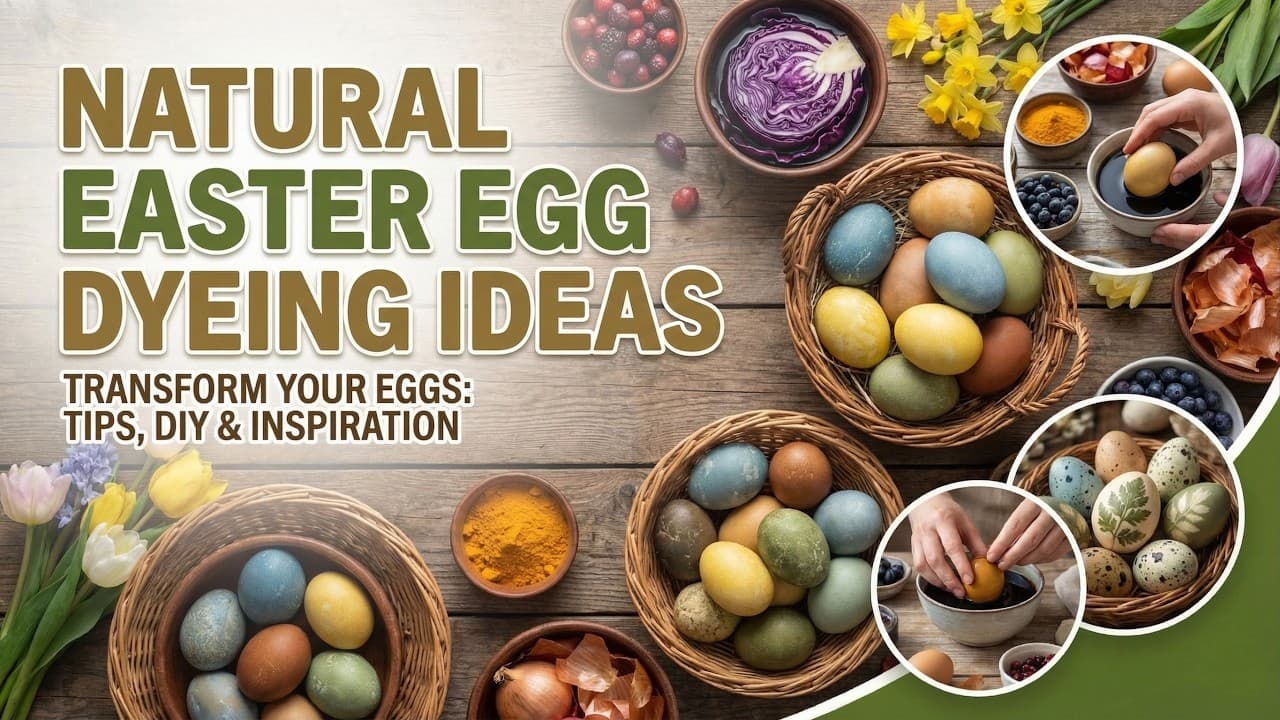
Your kitchen counter is already stocked with everything you need. A pot of beet water simmers on the stove, turmeric stains the cutting board gold, and a handful of red cabbage sits ready to transform eggs into something remarkable.
Natural easter egg dyeing ideas have surged in popularity because they deliver rich, earthy tones without synthetic chemicals, making them genuinely safe for toddlers to teens. Plant-based dyes from your fridge and pantry do the heavy lifting.
Key Takeaways
- Red cabbage produces blue and purple hues, not red, which surprises most first-timers and creates the most striking eggs
- Adding a tablespoon of white vinegar to any plant dye bath intensifies color absorption into the eggshell by opening its pores
- Longer soaking time (overnight in the fridge) produces deep, saturated tones that short dips cannot achieve
- Onion skins yield warm copper and rust shades without any boiling or prep, just steep in hot water
- Wrapping eggs in rubber bands or leaves before dipping creates natural resist patterns that look intentional and artisan-made
Full Video Transcript
What if you could create stunning Easter eggs using ingredients already in your kitchen? No chemicals, no artificial dyes, just pure natural beauty. Imagine turning simple ingredients like onion skins, turmeric, and berries into rich earthy colors that make your Easter eggs look organic, elegant, and completely unique. Natural dying is one of the most beautiful ways to celebrate Easter because it connects creativity with nature. Each egg becomes a one-of-a-kind piece with soft tones and unexpected patterns. Today, we're
exploring natural Easter egg dying ideas that are eco-friendly, creative, and perfect for a rustic spring aesthetic. Before we dive into today's video, I'd like to welcome you to Decor pedia, your go-to source for home decor inspiration. We bring you creative ideas to transform your space with style and ease, helping you elevate every corner of your home effortlessly. If you're new here, don't forget to hit that subscribe button and turn on the bell icon so you never
miss out on our latest decor inspirations. Now, let's get started. >> Why choose natural dyes for Easter eggs instead of artificial colors? Natural dyes are becoming increasingly popular because they are safer, eco-friendly, and create softer, more organic color tones. Unlike synthetic dyes, natural ingredients do not contain harsh chemicals, making them ideal for families, especially when children are involved in decorating. Another advantage is the unique and unpredictable beauty of natural dyes. Each egg absorbs color differently, resulting
in subtle variations that give a handmade, artistic feel. Instead of bright, uniform colors, you get earthy tones that feel calm and natural. Natural dying also connects you to traditional methods used before modern dyes existed. It's a simple and meaningful way to celebrate Easter while embracing sustainability. If you love eco-friendly DIY ideas, make sure to like and share this video. >> How can turmeric be used to create bright yellow eggs? Turmeric is a powerful natural dye that
produces vibrant yellow shades. It's easy to use and gives consistent results, making it perfect for beginners. By mixing turmeric powder with water and a bit of vinegar, you can create a bright dye bath. Eggs soaked in this mixture take on a cheerful golden yellow color. This color works beautifully for spring decorations because it represents sunshine and warmth. Check the description for natural dye recipes. How can spinach or herbs create green shades? Green is one of the
trickiest colors to achieve naturally, but spinach and certain herbs can produce soft green or yellow-green tones. The process involves boiling the leaves to extract color and then soaking the eggs in the dye. While the color may be subtle, it adds a natural and earthy look that fits beautifully with rustic decorations. Like this video if you enjoy nature-inspired decor. How can beetroot create soft pink or red tones? Beetroot is known for its rich red color, but when
used as a dye, it often creates soft pink or blush tones on eggs. Boiling chopped beetroot in water creates a dye bath that can produce delicate shades depending on soaking time. These gentle colors are perfect for pastel-themed Easter decor. Comment if you love soft pastel colors. >> How can blueberries create cool-tone dyes? Blueberries can produce soft blue or grayish tones, depending on how they are used. Boiling the berries creates a dye bath that gives eggs a
cool, muted appearance. These subtle tones work well for modern and minimalist Easter designs. Comment if you love cool color palettes. How can coffee or tea create vintage-style eggs? Coffee and tea are excellent for creating soft brown and vintage-inspired tones. Soaking eggs in strong coffee or black tea produces warm, antique-looking shades that feel rustic and elegant. These colors are perfect for farmhouse-style Easter decor. Check the description for rustic decor ideas. How can leaves and flowers create natural
patterns? One of the most beautiful techniques in natural dyeing is using leaves or flowers to create patterns. By placing a leaf on the egg and wrapping it tightly before dyeing, you can create a silhouette effect where the leaf shape remains visible. This method creates delicate and artistic designs that look professionally made. Subscribe for more creative techniques. >> How can vinegar help natural dyes work better? Vinegar plays an important role in natural dyeing because it helps the
color bind to the eggshell. Adding vinegar to the dye bath ensures that the colors appear stronger and last longer. Without vinegar, the dye may not adhere properly to the eggs. Like and share this video for helpful DIY tips. How can different soaking times change the color intensity? The length of time eggs remain in the dye bath affects how deep the color becomes. Short soaking times produce light pastel shades, while longer soaking results in richer, darker tones.
Experimenting with timing allows you to create a variety of shades from the same dye. Check the description for timing guides. >> How can layering natural dyes create unique effects? Layering involves dying eggs in one color and then dipping them into another. This creates blended tones and unexpected color combinations. The result is a more complex and artistic design. Comment if you enjoy experimenting with colors. How can oil create marble effects on natural dyed eggs? Adding a small
amount of oil to the dye bath can create a marble-like effect. The oil prevents some areas from absorbing dye, resulting in a textured and artistic pattern. This technique adds depth and uniqueness to each egg. Like this video if you love marble designs. How can natural dyes create an eco-friendly Easter celebration? Using natural dyes reduces the need for artificial chemicals and promote sustainability. It also encourages the use of everyday ingredients in creative ways. This approach makes Easter
decorating more environmentally friendly. Subscribe for more eco-friendly ideas. >> How can different eggshell colors affect the final result? White eggs produce brighter and more vibrant colors, while brown eggs create deeper muted tones. Choosing different eggshell colors allows for more variety in your designs. This adds another layer of creativity to the dying process. Check the description for egg selection tips. How can onion skins create rich natural colors? Onion skins are one of the most popular natural dye
sources because they produce beautiful earthy shades. Yellow onion skins create warm golden tones, while red onion skins can produce deeper shades like reddish-brown or even hints of purple. To use them, simply boil the skins in water to create a dye bath, then place the eggs in the liquid. The longer the eggs sit, the deeper the color becomes. You can also wrap the eggs with leaves or herbs before dyeing to create natural patterns and prints. Subscribe for
more natural craft ideas. Natural Easter egg dyeing is a beautiful way to combine creativity, tradition, and sustainability. With simple kitchen ingredients, you can create stunning eggs that the beauty of nature and the joy of the season. Each egg becomes a unique piece of art filled with soft colors and organic patterns. Sometimes the most beautiful decorations come from the simplest materials.